Dashainko Dakshina: 18% OFF on All Courses!

Advanced Data Analysis with Python




Thousands of students have started their careers after getting certified by Broadway Infosys
Updated On: 22/07/2026
Created On: 06/02/2026
Course Overview
Broadway Infosys offers an Advanced Data Analysis with Python course that can upgrade your career and is aimed at helping students and working professionals develop their analytical skills through using Python, SQL, statistics, and business intelligence tools. The participants will demonstrate their ability to analyze complex datasets and develop data-driven solutions by creating data visualizations and extracting business insights through their work with structured workflows that meet industry standards.
Participants begin by learning basic data analysis skills, mastering analytical reasoning, problem definition, KPI formulation, and the comprehensive analysis workflow. The curriculum teaches fundamental Python programming skills together with NumPy and Pandas, which students use for data cleansing and transformation, aggregation, and time-series analysis, while they learn Exploratory Data Analysis (EDA) to discover patterns and trends.
The course enables students to use SQL databases, perform statistical analysis for business decision-making, and execute advanced analysis methods, including segmentation and cohort analysis, A/B testing, and anomaly detection. Participants in the course develop their data visualization skills by creating interactive dashboards with Power BI and Tableau while learning to present insights that drive impactful business results.
The training concludes with real-world projects that require participants to demonstrate their skills through actual work challenges, enabling them to develop the skills employers need for their jobs.
Tools Covered
Some of the major industry-relevant tools you'll work with in this course include:
-
Google Colab
-
Jupyter Notebook
-
VS Code
-
PyCharm
-
NumPy
-
Pandas
-
Matplotlib
-
Seaborn
-
Plotly
-
SQL
Students who got hired learning with us
Hear from graduates who have completed our courses.
College/Faculty: Orchid International College / BSc. CSIT
Working At: Frost Digital Ventures
Position: Associate AI Engineer
College/Faculty: Sikkim Manipal University / BSc. CSIT
Working At: OmWay Technologies
Position: Junior Laravel Developer
College/Faculty: Advanced College of Engineering & Management / Bachelors in Computer Engineering
Working At: Growth Zilla Inc.
Position: Business Transformation Officer
College/Faculty: Kathford International College of Engineering & Management / BCA
Working At: Web Studio Nepal
Position: Junior Front End Developer
Our graduates are hired by 470+ companies in Nepal
Time for you to be the next hire. With our advanced and industry relevant courses, you are on the right stage to start your dream career.

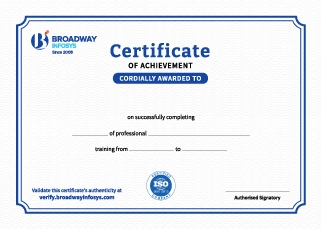
Earn a High Value Industry Certificate
Add this credential to your LinkedIn profile, resume, or CV to stand out to recruiters.
Already earned a certificate?
Verify it here
Frequently Asked Questions
Basic knowledge of Python and programming fundamentals is recommended. Familiarity with data analysis concepts can be helpful, but learners who want to advance their Python and data analysis skills can also join the training.
The training is best suited for learners with basic Python knowledge who want to develop more advanced data analysis skills.
You will learn advanced Python-based data analysis techniques, data cleaning and manipulation, data visualization, statistical analysis, and methods for extracting meaningful insights from datasets.
Yes. The training focuses on hands-on learning through practical exercises, data analysis tasks, visualization, and working with datasets.
The course helps you move beyond basic Python and develop practical skills in data cleaning, analysis, visualization, and interpretation, giving you a stronger foundation for working with real-world data.
The training can help you prepare for roles such as Data Analyst, Python Data Analyst, Business Data Analyst, Junior Data Scientist, and other data-related positions.
Dedicated labs, certified instructors, and placement support. You will receive guidance from trainers throughout the course, including support with practical exercises, coding tasks, datasets, projects, and technical concepts. You can also ask questions and get clarification during the training.
Yes. Depending on your requirements, you can discuss suitable schedules with the training team. One-to-one training and group-based learning options may also be available.
Our course is available in hybrid training mode. You can attend classes in person or join online, whichever works best for you. If you cannot attend in person on a particular day, you can simply join the class online instead.
The course pricing varies depending on the subject and level. For detailed information on the course price, please contact us directly: +977-9841002000 / +977-1-4111849. Our team will be happy to guide you or send us an email at [email protected].
Our syllabus outlines are only the headlines of the major modules. To ensure a complete understanding of the course, we offer free counseling. Also, if you have specific modules in mind, you can customize the course. Send your inquiry today!
Lesson 1: Python Programming Language
- What exactly is Python?
- Python's root and its ecosystem
- Python Installation & IDEs setting up (Google Colab, Jupyter Notebook, VSCode, PyCharm)
- Python framework & Python syntax
- Hands-on writing code on Google Colab
- Data Types & Variables (String, Integer, Float, Complex, Boolean, None)
- Input and Output Functions
- Working with the format() method, f-strings, & escape sequences
- Basic Arithmetic & Operators
- Type casting, type checking, & validation
- Conditional Statements (if, else, elif)
- Loops (for, while)
- Looping over tuples, strings, & dictionaries
- Special loops in Python (for/else)
- Using nested loops and flow control through conditions
- Resolving real-world problems to improve skills
- Special Statements: pass, continue, break
AI Tool:
- Google Colab - Gemini
Lists:
- Overview & fundamental operations
- Indexing, slicing, & negative indexing
- Looping through lists & conditions
- List methods like .insert(), .append(), .remove(), .sort(), etc.
- List comprehension with conditions
Tuples:
- Introduction & operations
- Indexing, slicing, & looping
- List versus Tuple
- Switching between lists and tuples
- Tuple unpacking
Sets:
- Introduction & set operations
- Adding, removing, & discarding items
- Set operations: union, intersection, and difference
- Frozenset versus set
Dictionaries:
- Introduction to dictionaries & methods like .get(), .update(), .keys(), .pop(), etc.
- Dictionary comprehension
- Nested dictionaries
AI Tool:
- Gemini or Codeium
- Defining functions through def keyword
- Parameters, Arguments, & Return Statements
- Returning multiple values
- Default & keyword arguments
- Anonymous functions (lambda)
- Nested functions & closures
- Scopes in Python: Local and Global
Text File Operations:
- Reading & writing text files
- Modes of file (r, w, a, rb, wb)
- File path handling with the os module
Working with CSV Files:
- Basics of CSV format and operations
- Reading & writing CSV files with csv.reader & csv.writer
- Using dictionaries in CSV files
Working with JSON:
- Introduction to JSON & its structure
- Reading & writing JSON data with the json module
- Parsing JSON strings
AI Tool:
- Using ChatGPT for prompt engineering
- Classes & Objects
- Class versus Object attributes
- Initializing object attributes with __init__()
- self keyword
- Inheritance: single, multiple, and multi-level
- Polymorphism & operator overloading
- Function overriding & encapsulation
AI Tools:
- Pythontutor.com
- Try-except blocks
- Catching specific exceptions
- Using else & finally
- Generating and creating custom exceptions
- Problem-solving strategies
- Lambda Functions
- Generators & Iterators
- List Comprehensions
- Working with *args & **kwargs
Standard Libraries: os, random, math, functools, etc.
Data Manipulation with Pandas
- Working with DataFrames
- Reading & writing CSV files
- Data manipulation techniques
Data Visualization
- Using Matplotlib, Seaborn, and Plotly
AI Tools
- Pandas Profiling
- Designing and changing databases and tables
- CRUD operations (CREATE, SELECT, UPDATE, DELETE)
- Filtering data with the WHERE clause
AI Tools for SQL
- DBeaver for SQL queries
- Optimizing & explaining SQL queries with ChatGPT
- Installing & configuring Git
- Setting up local & remote repositories
- Making commits & branching
- Integrating local repositories to GitHub
- Pushing changes & cloning repositories
AI Tools
- GitHub Copilot for Git commands
- Web Scraping + Database + File Operations: Scrape data, store it in SQL, & export to CSV/JSON
- Desktop Application (Data Entry System): Develop an application to manage data in JSON/CSV format
- CLI Application with CRUD Operations: Design a CLI app with basic CRUD operations & database integration
Lesson 2: Foundations of Data Analysis
- Understanding Data Analysis in Industry
- Responsibilities of Data Analysts
- Data Analysis vs Data Science vs Business Intelligence
- Data-driven decision-making
- Analytical Thinking
- Critical thinking approaches
- Problem-solving frameworks
- Descriptive Analytics
- Diagnostic Analytics
- Predictive Analytics (Analytical Perspective)
- Prescriptive Analytics
- Business problem understanding
- Data acquisition
- Data cleaning and preparation
- Exploratory analysis
- Statistical analysis
- Visualization and reporting
- Communicating insights
- Translating business questions into analytical problems
- Hypothesis formulation
- KPI and metric definition
Lesson 3: Programming for Data Analysis
- Array Operations
- Array creation
- Indexing and slicing
- Broadcasting
- Numerical Operations
- Vectorized computations
- Statistical calculations
- Performance optimization
- DataFrame Fundamentals
- Series vs DataFrame
- Indexing (.loc, .iloc)
- Data types and memory usage
- Data Input and Output
- Reading CSV, Excel, JSON
- SQL connections
- Data Cleaning
- Missing value handling
- Removing duplicates
- Data type conversion
- String operations
- Data Transformation
- Filtering and sorting
- GroupBy and aggregation
- Pivot tables
- Applying custom functions
- Time Series Basics
- Datetime conversion
- Resampling
- Rolling statistics
Lesson 4: Exploratory Data Analysis (EDA)
- Data profiling
- Summary statistics
- Detecting anomalies
- Distribution analysis
- Skewness and kurtosis
- Outlier detection
- Correlation analysis
- Cross-tabulation
- Feature relationships
- Generating analytical questions
- Identifying patterns and trends
Lesson 5: SQL for Data Analysis
- Relational databases
- Schema design
- Primary and foreign keys
- SELECT statements
- Filtering (WHERE, BETWEEN, IN, LIKE)
- Sorting and limiting
- COUNT, SUM, AVG, MIN, MAX
- GROUP BY and HAVING
- Joins (Inner, Left, Right, Full)
- Self joins
- Subqueries
- Common Table Expressions (CTEs)
- Window functions
- Ranking and cumulative calculations
- Time-based analysis
- Indexing concepts
- Performance best practices
Lesson 6: Statistical Analysis for Data Analysts
- Central tendency
- Variability measures
- Distribution properties
- Conditional probability
- Independence
- Bayes theorem
- Random sampling
- Bias and variance
- Sample size considerations
- Confidence intervals
- Hypothesis testing
- p-value interpretation
- Statistical Tests
- t-test
- z-test
- Chi-square test
- ANOVA
- Interpretation challenges
- Practical implications
Lesson 7: Data Cleaning, Transformation, and Feature Engineering
- Imputation strategies
- Data exclusion decisions
- IQR method
- Z-score method
- Business context evaluation
- One-hot encoding
- Label encoding
- Feature scaling
- Calculated metrics
- Ratio features
- Time-based features
Lesson 8: Advanced Analytical Techniques
- Customer segmentation
- RFM analysis
- Behavioral grouping
- Retention analysis
- Lifecycle tracking
- Trend detection
- Seasonality analysis
- Moving averages
- Experiment design basics
- Statistical evaluation
- Business interpretation
- Statistical threshold methods
- Monitoring use cases
Lesson 9: Data Visualization and Dashboarding
- Chart selection
- Visual clarity
- Avoiding misleading visuals
- Matplotlib fundamentals
- Seaborn statistical plots
- Plotly interactive visualization
- Data modeling
- Power Query transformations
- Measures and calculated columns
- DAX basics
- Dashboard design
- Time intelligence
- Geo visualization
Lesson 10: Business Analytics and Insight Communication
- Metric design
- Leading vs lagging indicators
- Executive summaries
- Insight-focused reporting
- Narrative structure
- Visual storytelling techniques
- Graphy
- Polymer
- Flourish
Lesson 11: Real-World Applied Projects
- End-to-end analytical project
- Real business dataset analysis
- Insight presentation
- Documentation standards
- Optional deployment (Streamlit dashboard)
Python & Django Training



Advanced Excel

Power BI Training
SQL DBA Training
Upcoming Classes (6)
Why Advanced Data Analysis with Python?
Advanced Data Skills: Learn Python-based techniques to work with, analyze, and interpret complex datasets.
Data Processing: Build skills in cleaning, transforming, and preparing data for accurate analysis.
Powerful Visualization: Create meaningful charts and visualizations to understand and present data clearly.
Practical Analysis: Work with real-world datasets to apply advanced data analysis techniques.
Industry-Relevant Skills: Develop Python and data analysis skills useful for modern data-driven roles.
Career Preparation: Build a strong foundation for opportunities in data analysis, business intelligence, and related fields.
Experienced Instructors: Learn from skilled instructors with practical experience in Python and data analysis.
Quick Inquiry
Choose class schedule(s)
-
26 Oct 2026
-
02 Nov 2026
-
03 Nov 2026
-
17 Nov 2026
-
22 Nov 2026
-
23 Nov 2026